The 72-hour guide to storm roof repairs in Parma

Claude

Finding torn asphalt shingles in your driveway after a severe Northeast Ohio storm means the clock is already ticking on your roof deck. When high winds or hail hit Parma, the actions you take in the first 72 hours dictate how much secondary water damage your home suffers and how smoothly your insurance claim proceeds. Acme Roofing and Siding, LLC helps Ohio homeowners manage this tight window by providing immediate on-site inspections and emergency tarping. To protect your property, you must document the damage from ground level, stop active water intrusion in your attic, and secure an independent baseline repair estimate before signing any agreements with insurance adjusters or door-to-door sales representatives.
Gathering roof evidence safely from ground level
As a local contractor serving families in Parma, Acme Roofing and Siding, LLC regularly sees how initial documentation impacts insurance approvals. Before you begin cleaning up your yard or clearing fallen branches, you must capture the scene exactly as the storm left it.
To create a clean record for your insurance provider, perform these steps immediately after the storm clears:
- Capture wide-angle images of all four exterior walls of your property to show the storm's overall impact area.
- Take close-up photos of torn, missing, or creased shingles lying in the grass or dangling from the eaves.
- Photograph dented gutters, cracked vinyl siding, broken window screens, and fallen limbs.
- Document physical evidence of hail size by placing a quarter or ruler next to the stones on a flat surface.
Safety must remain your primary concern during this initial assessment. Never climb onto a storm-damaged roof yourself. According to Ohio safety guidelines published by GRT Roofing, structural integrity can be compromised during severe weather, and wet shingles are incredibly slick. Micro-cracks in the plywood decking can cause it to yield under foot traffic, leading to catastrophic falls.
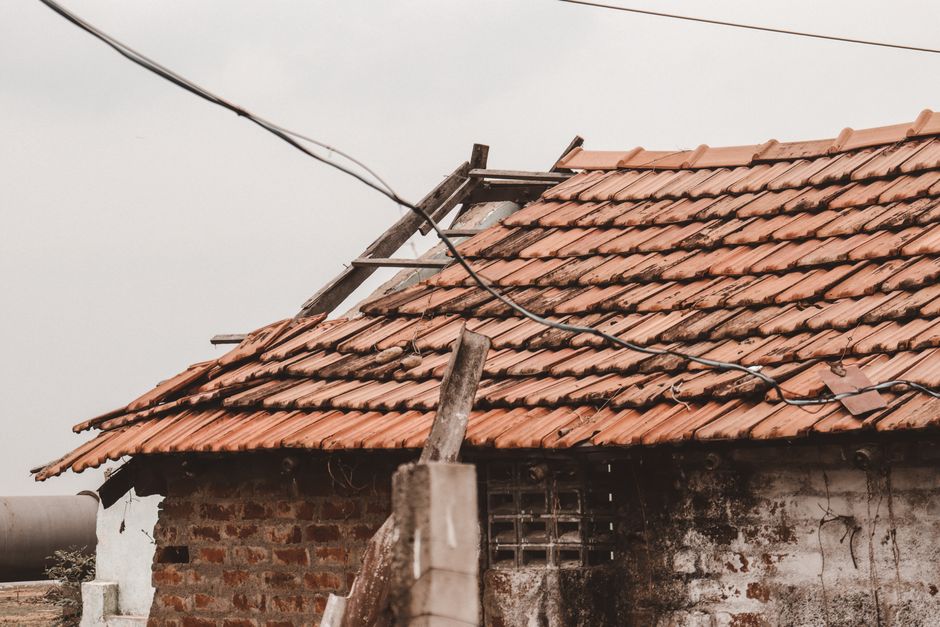
Wait for clear daylight, stay on the ground, and walk the perimeter of your home with your smartphone camera. Keep your camera's automatic date and time metadata enabled, as this provides indisputable proof of when the damage occurred. If you notice structural issues like sagging rooflines or a cracked ridge cap, write down the specific time and location of these problems.
Securing the home envelope to prevent secondary damage
The team at Acme Roofing and Siding, LLC prioritizes active leak mitigation to protect your home's structural framing and interior finishes. Once you have documented the exterior, you must focus on stopping water from migrating through your ceilings.
You should systematically work through these priority areas to control moisture:
- Identify active drips or damp ceiling drywall immediately inside the living space.
- Check the attic space safely for hidden signs of roof deck breaches.
- Deploy emergency tarping over exposed underlayment or open rafters to keep rain out.
- Move valuable items out of the path of any slow, migrating leaks.
Checking the attic
When water gets past your primary shingles, the attic is the first line of exposure. Access your attic safely using a sturdy ladder and a bright flashlight. Look for dark water spots on the plywood decking, wet fiberglass batts, or active streams running down structural rafters.
Water does not always drip straight down. It often enters through a ridge vent or torn flashing, travels down a rafter, and pools over a ceiling light fixture several feet away. If you see daylight showing through the decking, the roof has suffered a complete breach. This demands immediate attention before the next rain system moves across Cuyahoga County.
Emergency tarping
Most residential insurance policies contain a clause regarding your duty to mitigate damage. If you leave a damaged roof exposed and subsequent rain causes drywall collapse or mold growth, your carrier can deny coverage for those secondary issues.
Installing an emergency tarp over the damaged slope protects your ceiling and maintains your claim eligibility. Acme Roofing and Siding, LLC offers professional emergency tarping through our roofing services to keep your home dry while your permanent claim is processed. A properly secured tarp must be fastened with wooden furring strips rather than simple bricks or sandbags, which can slide off and cause further damage.

Why a baseline repair estimate must precede the adjuster visit
Homeowners often assume they must wait for their insurance company's representative, but Acme Roofing and Siding, LLC recommends securing an independent assessment first. Having an expert contractor inspect the roof ensures you have a detailed, professional advocate on your side before any settlement offers are made.
According to industry data compiled by RoofQuoteCalc, wind and hail damage represent about one-third of all homeowner insurance claims. This high volume means insurance adjusters are often rushing from house to house after a major storm cell passes through Northeast Ohio. They may miss subtle signs of damage like split shingle mats or compromised valley flashing.
| Assessment Phase | Independent Contractor Quote | Insurance Adjuster Assessment |
|---|---|---|
| Primary Focus | Maximizing long-term roof system structural integrity | Minimizing short-term liability and payout |
| Scope Detail | Itemized list of decking, flashing, underlayment, and shingles | Broad structural categorization based on regional averages |
| Material Matching | Identifies exact matches or recommends full replacement for uniformity | May suggest localized patch repairs regardless of age or color mismatch |
| Negotiation Support | Provides physical proof and building code compliance documentation | Relies on proprietary software valuation models |
An independent, professional contractor works for you, not the insurance company. Having a line-item estimate prepared by an expert ensures you have the data needed to advocate for a complete repair. This estimate should cover everything from the cost of tearing off the old materials to installing ice and water shields along the eaves, which is a building code requirement in cold climates like Parma.
Decoding wind and hail damage signatures on residential roofs
Identifying the precise nature of weather damage is a specialty that our crew at Acme Roofing and Siding, LLC has developed over two decades of operating in Ohio. Different weather patterns leave distinct marks on your roof system, and knowing what to look for helps you understand the severity of the situation.
To identify what type of storm damage your roof has sustained, look for these specific physical signatures:
- Lifted shingle tabs with broken adhesive seals.
- Dark, circular bruises on the asphalt matting.
- Fine mineral granules accumulating in your gutters.
- Bent or separated metal flashing around chimneys and valleys.
Wind uplift damage
Wind damage does not require tornadic wind speeds to cause severe issues. Straight-line winds and gusts reaching 50 to 60 miles per hour can easily lift shingle tabs, breaking the manufacturer's seal strip as documented by NV Roofing.
Once this seal is broken, the shingles lose their wind resistance. They will flap, crease, and eventually tear free in subsequent storms, exposing the black underlayment below. Even if a shingle lays flat after the wind dies down, a broken seal means it is no longer water-tight and must be repaired or replaced.
Hail impacts and granule loss
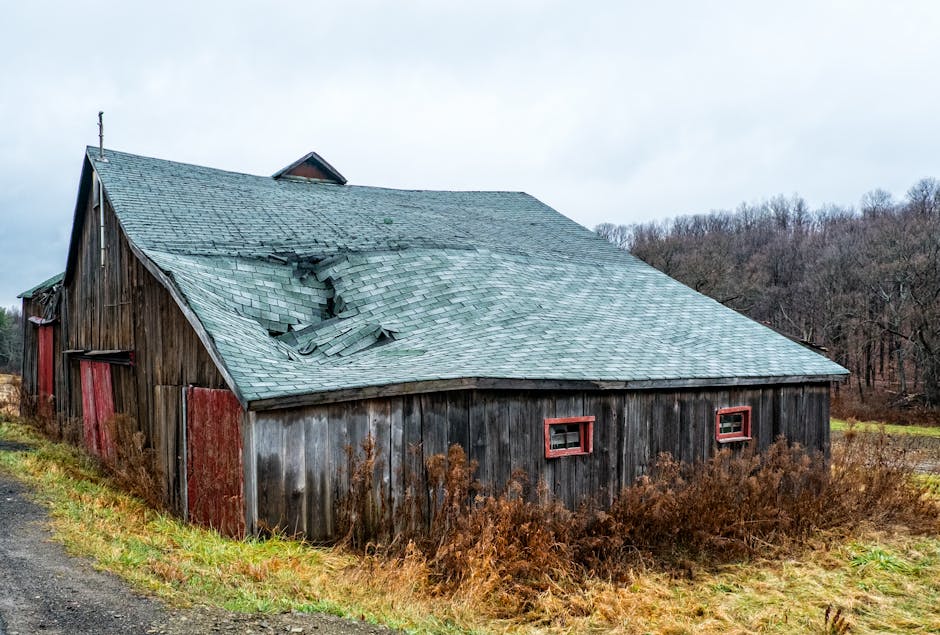
Hail damage is notoriously difficult to spot from the driveway. Hailstones bruise the asphalt matting, creating tiny, soft depressions that fracture the fiberglass backing.
This impact knocks away the mineral granules that protect your shingles from ultraviolet radiation. Finding fine, sand-like debris piling up near your downspouts is a classic sign of rapid shingle degradation. Homeowners who notice this pattern or find water spots on their ceilings should check our FAQ page for guidance on distinguishing cosmetic wear from structural failure.
Avoiding out-of-state storm chaser traps in Northeast Ohio
Choosing a local partner like Acme Roofing and Siding, LLC guarantees that your warranty remains valid and supported long after the storm passes. When a major hailstorm or windstorm hits Cuyahoga County, out-of-state contractors often arrive in droves to solicit business.
These door-knockers use aggressive sales tactics to secure immediate signatures:
- They may ask you to sign a "contingency agreement" before they inspect your roof.
- They often operate out of temporary PO Boxes or rental trucks.
- They rarely carry proper Ohio licensing, bonding, or local workers' compensation coverage.
- They frequently demand large cash deposits before any materials are delivered.
Never sign a binding document on your doorstep immediately after a weather event. These out-of-town companies often use cheap, subcontracted labor to complete rapid, low-quality repairs, and then they vanish before the next storm reveals their mistakes. Working with an established contractor within our registered Ohio service areas ensures that you are protected by real local references, active insurance, and long-term labor warranties.
Taking immediate action to safeguard your home
The longer you wait to address a compromised roof, the higher the risk of wood rot, mildew, and structurally compromised attic framing. If a storm recently swept through your Parma neighborhood, do not delay the inspection process.
Walk your property, take ground-level photos of any suspicious areas, and contact a trusted local professional to schedule an on-site consultation. Protecting your family's home starts with a phone call to a team that understands Ohio weather and knows how to build roofs that last.